

Share This Post on:


From My Desk: Why Anyaah is Betting on the Graphic T-Shirts
As the owner of Anyaah Clothing, I’ve watched the apparel market—especially the quirky, pop-culture and relevant graphic t-shirt segment—become increasingly crowded. Every day, it seems like another generic brand pops up selling the same fleeting memes and movie references. At Anyaah, we knew we had to be different. Our goal wasn’t just to sell T-shirts; it was to sell a shared laugh and an immediate connection.
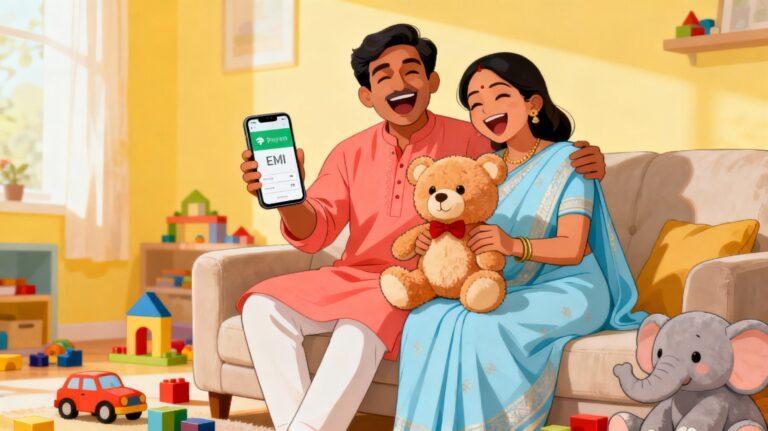
This is the entire philosophy behind designs like our now-iconic ‘Paying EMI for Toys’ Unisex T-Shirt (find it here: anyaahclothing.com product page). It’s more than fabric and print—it’s a perfectly condensed, wearable representation of modern Millennial and Gen Z Parenting Humour Fashion. We are translating the collective sigh of the exhausted, financially stretched parent into a badge of honour.
In this post, I want to take you behind the curtain, share our strategic justification, and show you the data that proves why hyper-relatable adulting struggles, especially in fashion, are not just a trend but a powerful marketing channel.
Our Strategic Edge: Beyond Pop Culture Tees
The titans of Indian apparel—brands like The Souled Store and Bewakoof—have done an incredible job dominating the broad pop culture space. But their very success has created an opportunity for specialists like us. When brands cater to everyone, they speak deeply to no one.
We realised the new frontier wasn’t broad cultural references; it was hyper-specific adulting humour. Our audience isn’t just looking for funny shirts; they are looking for T-shirts that reflect their specific, high-cost, exhausted life stage. This is about validating the experience of being a young adult who thought they had life figured out, only to find themselves budgeting for LEGO sets and Paw Patrol figures.
This is why we focus on capturing the spirit of Adulting Meme T-shirts and Relatable parenting jokes apparel. These are the sentiments that truly resonate with the modern consumer. By focusing on the concept behind the Paying EMI for Toys T-shirt, we’re not competing directly with giants on saturated terms; we’re owning the conversational niche that matters most to our customers.
We are transforming a private financial struggle—the necessity of paying EMI for toys—into a public, shared joke that fosters a community. This strategic depth is why niche-specific communication offers a superior return on investment than general apparel terms. We are not selling fashion; we are selling recognition. We allow the wearer to turn their daily grind into a piece of humour on fashion.
The Cultural Analysis: Why ‘EMI’ is the Punchline
The brilliance of the “Paying EMI for Toys” concept lies in its potent cultural cocktail, particularly within the context of Indian and broader millennial culture. The term EMI (Equated Monthly Instalment) is, culturally, a symbol of serious, life-defining financial commitments: a house, a car, an education. It represents aspirational, calculated spending.
To then apply this heavy financial term to children’s toys—often fleeting, plastic, and numerous—is a stroke of comedic genius and financial honesty. It captures several universal truths for young parents:
- The Sticker Shock of Parenthood: Many millennial parents are simultaneously dealing with mortgages, student loans, and now, the endless financial treadmill of keeping up with a child’s relentless need for new toys. The T-shirt validates that this financial drain is real and often absurd.
- The Guilt Economy: Modern parenting often comes with the pressure to provide the best, which often translates into overspending on things. The T-shirt is a self-deprecating acknowledgement of succumbing to this guilt economy.
- Generational Shift: Our primary audience grew up wearing graphic tees based on music and movies. Now, their fashionable parent life struggle is their new identity. Anyaah is simply providing the new graphic tee content that aligns with their current life stage. The shift from “I love this band” to “I am paying off this Hot Wheels collection” is the cultural pivot we are embracing.
Our approach to Parenting Humour Fashion is designed to capture these insights. It’s an empathetic, knowing wink to the person across the room who is just as tired and financially drained as you are. This is how we build brand recall humour that lasts beyond a seasonal trend.
The Data that Confirms Our Humour Strategy
You might think using humour in fashion is just a creative hunch, but for a data-driven D2C business like Anyaah, it’s a calculated move. The statistics on the power of humour in marketing are overwhelmingly clear, justifying our entire focus on humour on fashion as a core brand pillar.
Why Humour is the Ultimate Sales Tool:
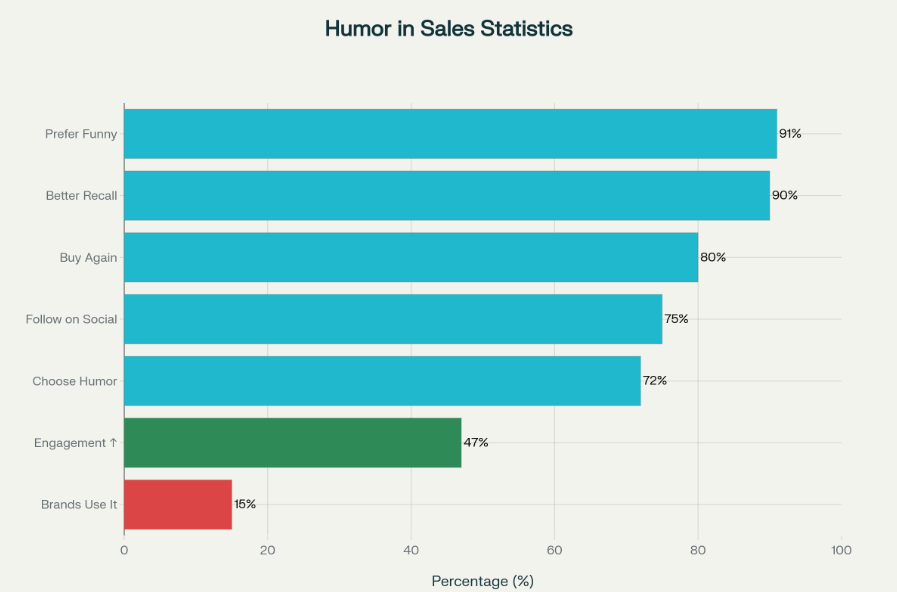
- Guaranteed Memorability and Preference: We know that attention is the most valuable commodity online. A 2022 global survey by Oracle and Gretchin Rubin provided compelling evidence: 91% of people globally prefer brands to be funny, indicating a massive market appetite that most companies are failing to meet. Even more critically for brand recall humour, 90% of people are more likely to remember a brand’s ad if it was funny (Source: Marketing Dive report on The Happiness Report by Oracle and Gretchin Rubin). This confirms that our T-shirts—as walking, humorous advertisements—have superior retention power in a crowded marketplace.
- Higher Engagement & Purchase Intent: We don’t just want a laugh; we want a sale. Data supports this connection: A Nielsen study found that ads featuring humour show 47% higher audience engagement than those without it (Source: Making That Sale report citing a Nielsen Study). Crucially, 80% of respondents in the Oracle study stated they were more likely to buy from a brand again if it uses humour and recommend that brand to others (Source: Marketing Dive report on The Happiness Report by Oracle and Gretchin Rubin). Humour, therefore, is a direct engine for loyalty and word-of-mouth marketing, making it our most effective growth hack.
- Social Media Currency and Organic Reach: Every piece of Humorous fashion trends apparel we sell is a potential piece of organic content. The data shows this is the right strategy: 75% of consumers would follow a brand on social media if it was funny, yet only 15% of brands reported using this tactic online (Source: Marketing Dive report on The Happiness Report by Oracle and Gretchin Rubin). This is a significant gap we are exploiting. Our customers become our most authentic marketers because the joke is worth sharing and validates their experience.
The Fabric of Relatability: Our Commitment to the Niche
At Anyaah, our focus is laser-sharp: we create products for those who recognise the absurdities of life and choose to wear that recognition openly. We are committed to exploring the full range of the relatable parenting jokes apparel category, understanding that the more specific the pain point, the more universal the laugh.
When designing the Paying EMI for Toys T-shirt, we weren’t thinking about just selling a garment; we were thinking about the first time a parent wearing it is stopped in the grocery store by another parent who laughs and says, “Oh my God, me too!” That immediate, unsolicited validation is the ultimate form of customer engagement.
This approach guides all our operations, from design to fulfilment:
- Design First, Trend Second: We prioritise concepts that capture a deep-seated truth over fleeting internet fads. A funny image lasts a day; a financial truth lasts a decade.
- Quality that Matches the Message: Our oversized tees are designed for comfort because, let’s be honest, our audience is tired. Comfort is a fundamental part of the fashionable parent life struggle. The apparel needs to be as forgiving as we hope our kids will be during a 2 a.m. wake-up call.
- Community Building: Every purchase is an invitation to share the joke. We encourage user-generated content (UGC) showing the shirt in the context of the struggle—the mountains of plastic, the unopened credit card statements—because that authentic, unpolished reality is what drives the next wave of sales.
By focusing on this intersection of deep, hyper-relatable humour and smart, data-backed strategy, Anyaah Clothing is establishing itself as the voice for a generation navigating the beautiful, chaotic, and financially draining reality of adulting. We are selling shared experiences, not just cotton. We are the brand that truly understands the cost of joy.
We invite you to wear your truth proudly.
Further Reading on the Power of Humour
To see how successfully humour cuts through the noise, regardless of the industry, take a look at these examples:
[…] Proportions: Balance is key. Pair the volume of the top with slim-fit joggers, bike shorts, or straight-leg cargo pants, suitable for parents. […]
[…] of clothing into a powerful item of self-expression. The next time you slip on a comfortable, expressive Unique Graphic Tee, you’ll know that you’re wearing much more than just cotton—you’re wearing a […]
[…] just apparel; they offer a medium for personal storytelling. One major example can be their “Paying EMI for Toys” t-shirt. Their approach ensures that every customer can find a piece of clothing that aligns […]